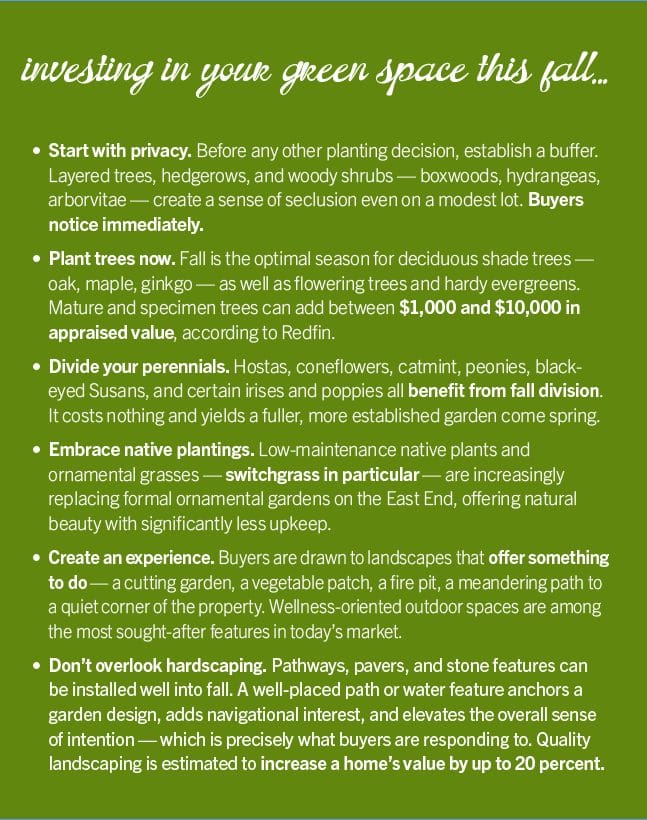
With the fall house-selling season soon upon us, it’s a good time to evaluate your home’s curb appeal when it comes to your green space. Quality landscaping—whether you hire a pro or are a knowledgeable do-it-yourselfer—can increase a home’s appeal up to 20% of its value. Certain assets such as mature and specimen trees can yield a higher return, which Redfin, the online real-estate brokerage, reports can range from $1,000 to $10,000 in value.
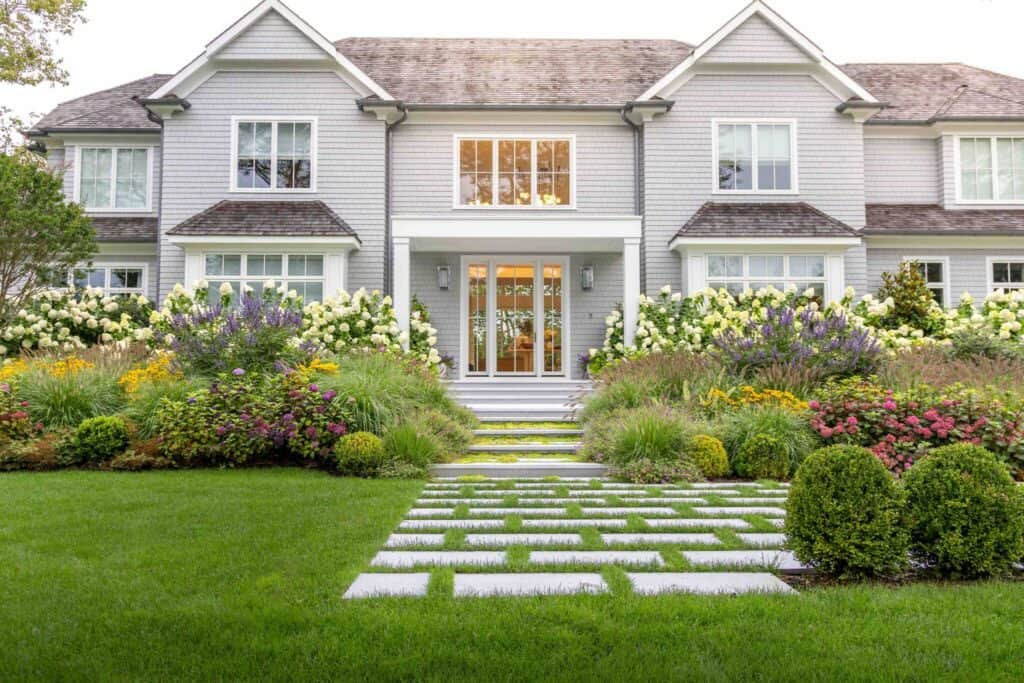
“Landscape is really everything,” says Kristy Naddell, a leading North Fork agent with Douglas Elliman. “If the landscaping is good, people feel like the home has been well taken care of. Trees, mulched beds, a lawn well-taken care of—that’s where I’d invest my money.”
She adds, “You can have a house that needs a ton of work, but people will want to do their own renovations anyway. But if you pull up and there’s no curb appeal, that’s a turn off.”
Engel & Völkers North Fork agent Christine Peddy agrees.
“From the moment a buyer pulls up, they will decide within the first 10 seconds whether they like the home based on the landscaping,” she says.
“Every home should start with privacy trees and hedges, so the property feels private and there’s a buffer with the neighbors. Even if the lot is small, you can layer trees to create a secluded sanctuary.” She says buffers can be created with woody shrubs such as boxwoods and hydrangeas, which offer attractive green fences and define borders. Increasingly, though, she noted, low-maintenance native plants and tall, lush grasses such as switchgrass are defining borders and property lines.
Fall is an optimal time to plant deciduous trees such as oak, maple and ginkgo; flowering trees and hardy evergreens, advises the Arbor Day Foundation. Some provide visual appeal and shade, and others—arborvitae, privet and other hedges—add immediate privacy. It’s also a time to divide some perennials—in general, those that finish flowering in the spring or early summer. Good candidates include hostas, catmint, coneflowers and Black-eyed Susans, some irises, peonies and poppies.
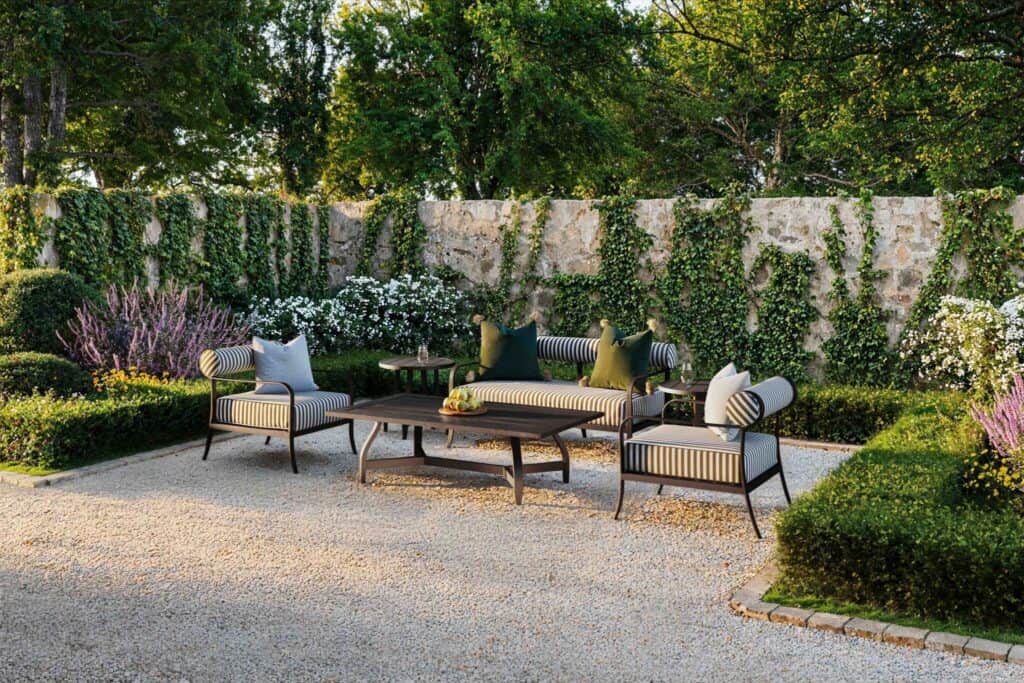
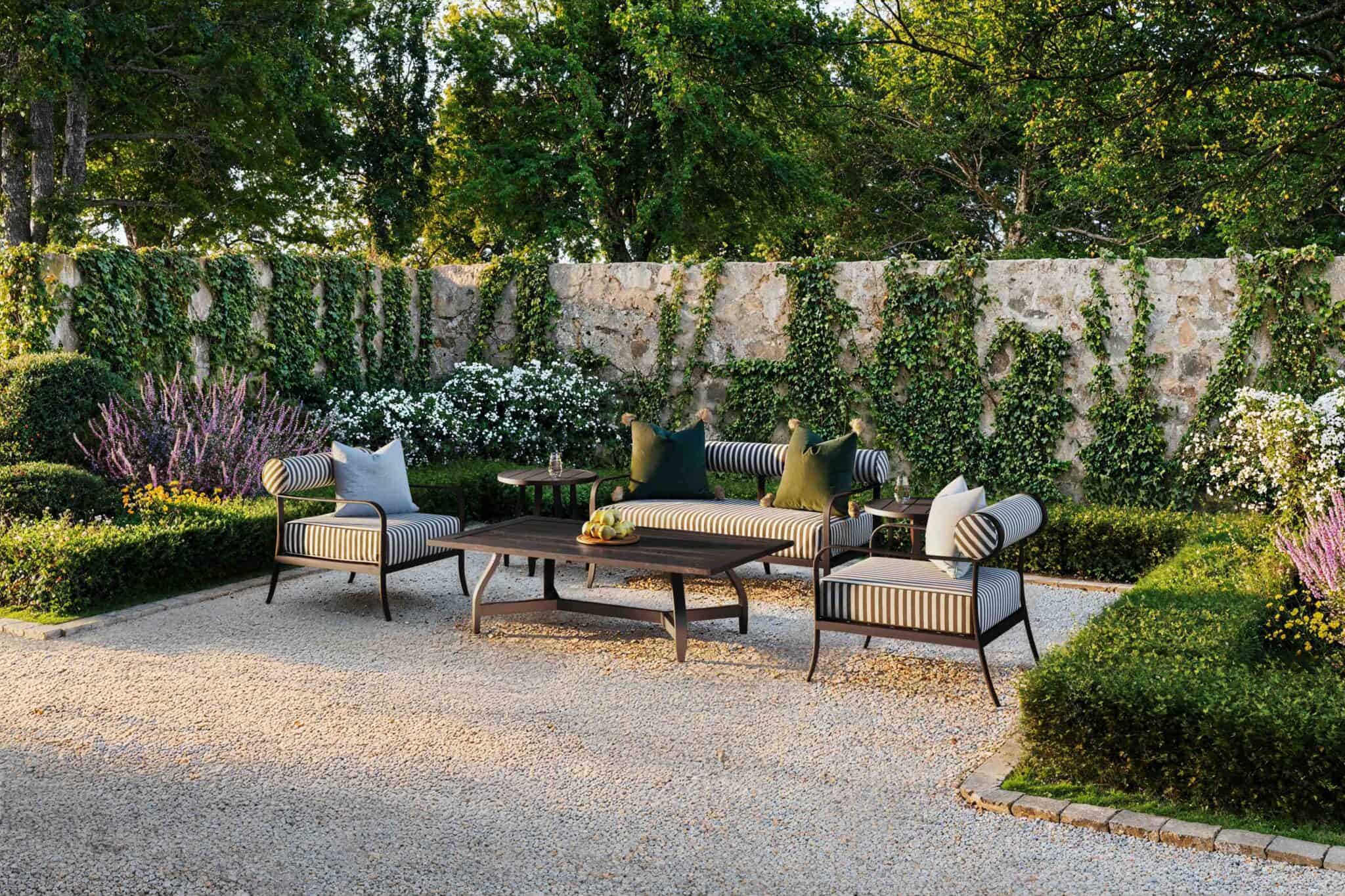
On the East End, Saunders agent Jennifer Wilson says she is seeing fewer formal ornamental gardens and more of a trend toward natural plantings, especially if they are combined with a lifestyle experience. One of her clients created a meandering walking path through the back yard to a meditation area in the woods.
“Everyone is looking for a wellness factor—a place where you can go and feel the vibe of the house and the landscape,” she says. “People are creating different areas to hang out – a fire pit area, a cutting garden … it’s more about experiences than showing off.”
Another green wish list amenity Naddell sees tying in with the wellness trend is the desire for space to plant a vegetable garden or a cutting garden, especially with second-home owners from Brooklyn.
“Especially on the North Fork, we have a big Brooklyn population and I feel like the vibe from them is more toward growing their own fresh veggies, have their own chicken coops and their own eggs,” she said. She referenced concerns over commercial food safety—such as the summer’s multistate outbreak of Cyclospora infections linked to some brands of commericial lettuce.
“People want to know where their food is coming from now more than ever,” she said. While ‘tis the season to plant trees, shrubs and bulbs, hardscaping projects can be done well into the fall and worked around your garden design in progress. Done in context of the home, they add value and complement a garden by providing navigational paths, points of interest or “pauses” in either an expanse of lawn or a densely planted garden, especially as people spend more time in their own yards. Peddy says hardscaping and pavers used to create pathways can “establish an oasis, especially with an inground pool or adding a feature such as a stone waterfalls by pools to add an element of tranquility.”