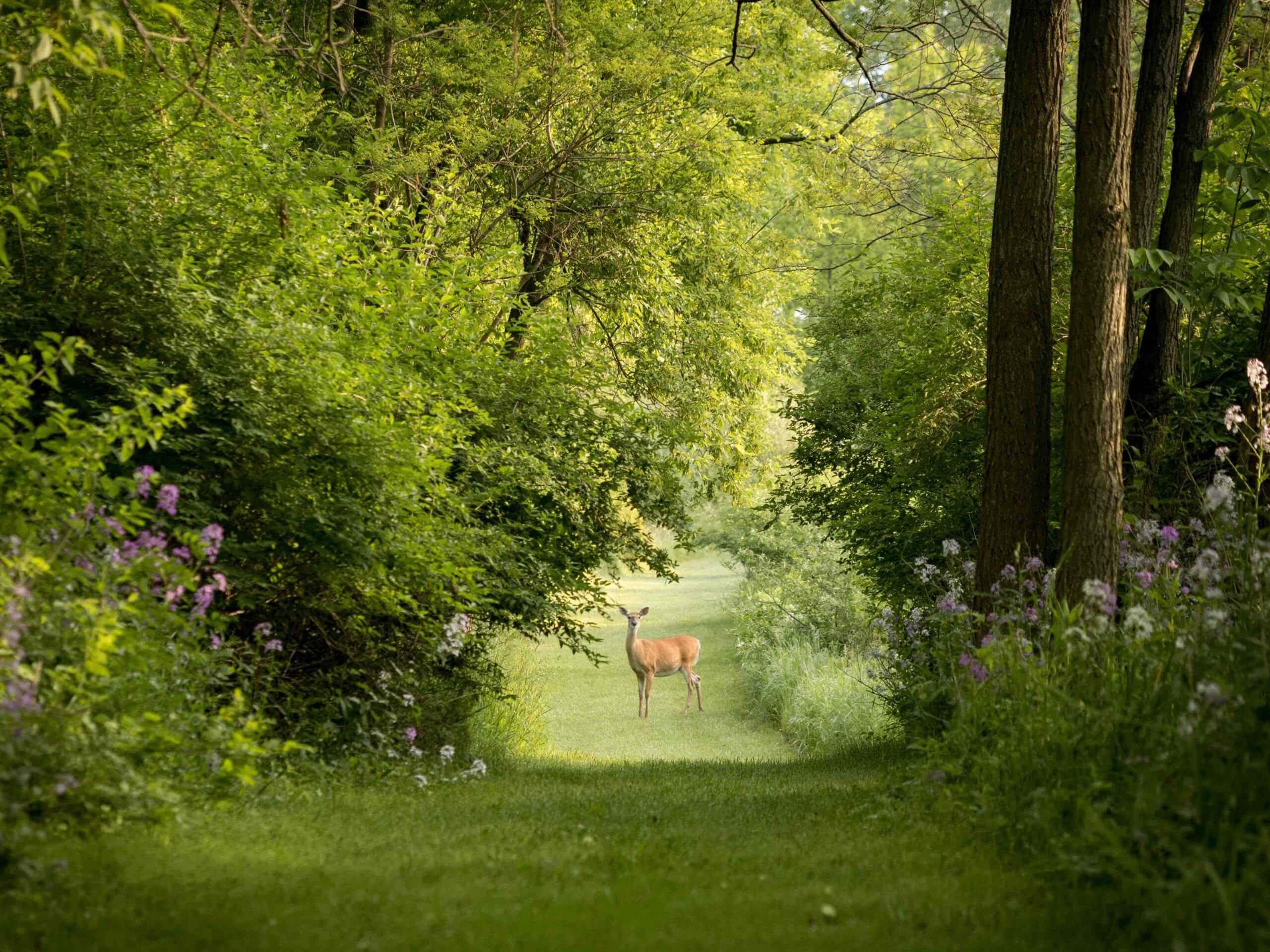
Every gardener knows along with spring blooms comes a host of challenges: weeding, watering and wildlife control. Cute as these critters may be, they destroy expensive ornamental gardens and landscaping and their browsing disrupts the larger ecosystem. And some, notoriously, are carriers of ticks that can spread Lyme disease.
Deer are particularly pervasive and tricky. They can pop over fences as high as eight feet like a jack in the box, they establish travel patterns through familiar snacking grounds such as your yard or neighborhood, and are are highly accustomed to humans, making it a challenge to create an unfriendly environment for them. Once thought to be picky eaters, they are known to eat more than 500 different kinds of plants, says Long Island horticulturist Vincent Drzewucki Jr., in his book, Gardening in Deer Country (Brick Tower Press).
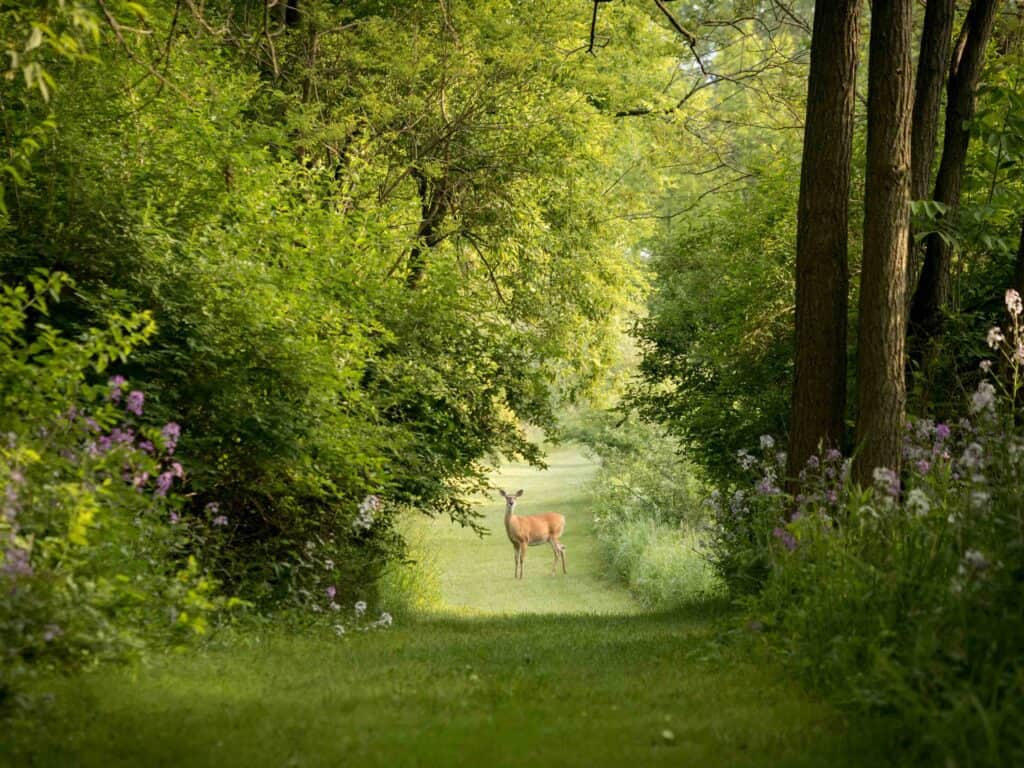
“Be assured … that if and when times are bad and preferred goods are scarce, deer will eat just about anything,” he writes.
And there are more of them getting more hungry. In 1998, Drzewucki estimated the U.S. white-tailed deer population had increased from about 500,000 to about 15 million. Today, most sources put that figure between 30 and 35 million.
Vickie Cardaro of Buttercup Design Group, based on Shelter Island with projects throughout the East End and beyond, says local deer predation is getting worse due to both human and climate conditions.
“With increased development, there’s a loss of natural habitat that forces deer to go elsewhere for food sources,” she said, adding harsh winters such as 2025 only stoke the problem. “It was a rough winter for wildlife and they were all starving so there was lots of deer damage this past winter.” She discovered plantings tried and true against predation locally proved to be deer candy in another location.
“The deer moved them down,” she said, adding “It’s always a crap shoot.”
Paige Patterson, staff horticulturist at Marders, a 40-acre nursery in Bridgehampton, agrees.
“We have noticed that deer in some areas have a taste for different plants than deer in other places,” she said. “Unfortunately, no list of deer resistant plants is 100 percent accurate.”
But savvy gardeners can outsmart Bambi and friends with a few creative ploys and a little bit of psychology.
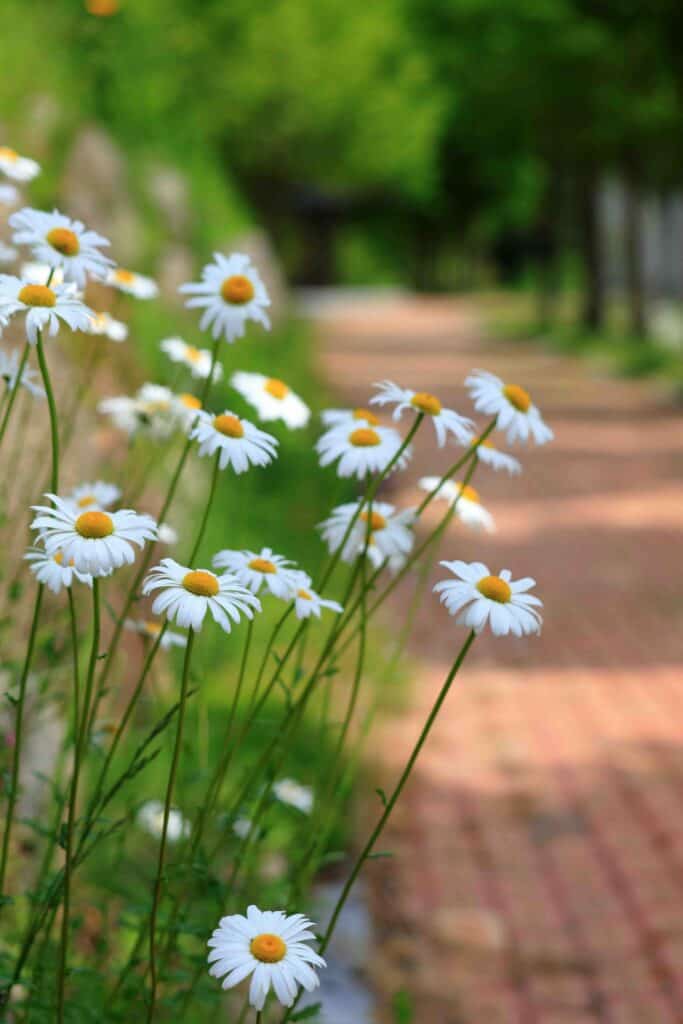
“Deer are creatures of habit. Once they’ve established a pattern they’ll follow it, until there’s a change on your property,” Patterson says. While changes such as new tasty plants might encourage a deer to change its route to revisit that new-found snack, other methods such as creative fencing, planting and repellents will help deter them. Charlie, the founder of Marders, for example, created a fence less than eight-feet tall customized to your property and which Patterson says “works brilliantly everywhere we’ve used it.”
“If deer can see where they can land, they’re much more likely to try to jump through,” she says, noting that stockade fencing presents both a visual and physical block.
If you have a wire fence, planting dense shrubs or raised beds around the inside perimeter of creates a visual barrier for deer. Or take a page from the ancient Romans as King Charles famously did with his Charlecote paling-styled fence at his garden in Highgrove. Based on an ancient method, this rustic style of fencing “weaves” wooden poles or slats of varying heights between galvanized wire lines or wire fencing to create a jagged picket-style barrier that is disorienting to deer with their poor depth perception.
Cardaro employs an arsenal of methods, from frequent applications of odorous repellents (homemade or commercial) to creating a “double four” fence system: two 4-foot-high fences built four feet apart that plays havoc with deer’s vision and landing ability. With most of her clients owning waterfront property, she is faced with the double challenge: deer and harsh coastal conditions.
“You have to be very, very creative when you have water issues and severe deer predation,” she said. For this and other reasons, she advises hiring a “hands in the dirt professional” who has plant knowledge, and who can craft a deer resistant garden for your location.
“A lot of plants on the standard lists aren’t deer resistant even if the labels say so,” she said, citing Green Giant Arborvitae as a popular example, but noting “any young small trees with tender shoots are fair game.”
Patterson agrees, saying “Deer can’t read deer resistant plant lists.”
“If you have a specimen that is getting eaten by deer, we recommend you not only use deer repellant, but also try planting it with something that is more deer-resistant. The more difficult you make it for the deer to gain access to the sensitive plant, the better.”
Patterson’s Picks:
Shrubs
- Callicarpa aka Beautyberry
- Caryopteris (Bluebeard, Blue mist or Blue Spirea)
- Osmanthus heterophyllus (False Holly)
- Pieris (Andromeda)
- Sambucus (Elderberry)
Perennials
- Achillea (Yarrow)
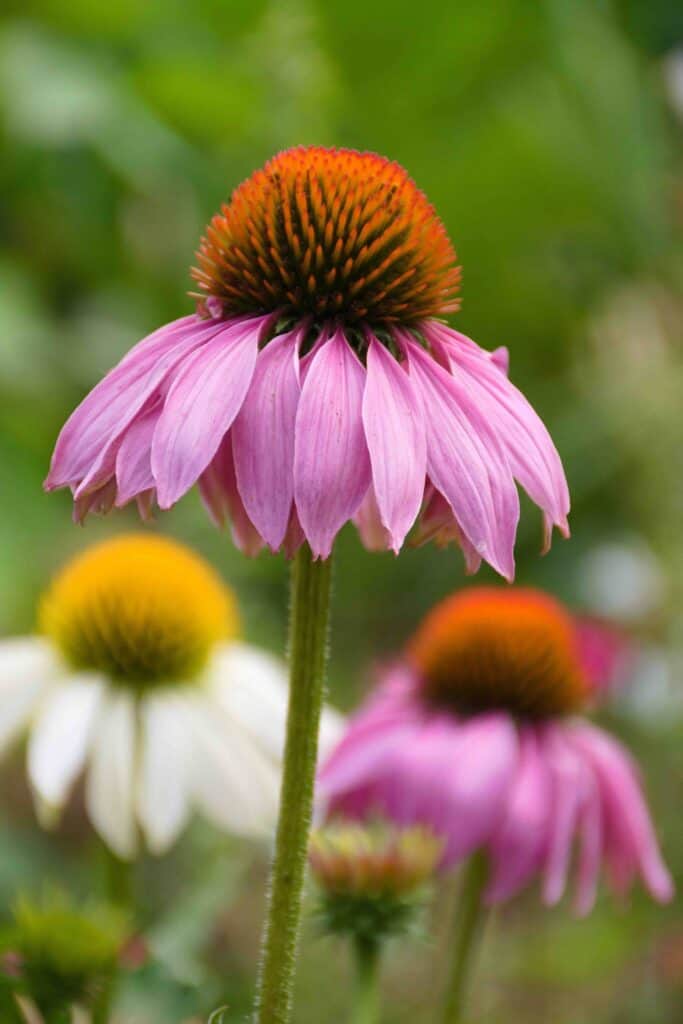
- Echinacea (Coneflower)
- Nipponanthemum nipponicum (Montauk Daisy)
- Nepeta (Catmint)
- Stachys byzantina (Lamb’s Ear)