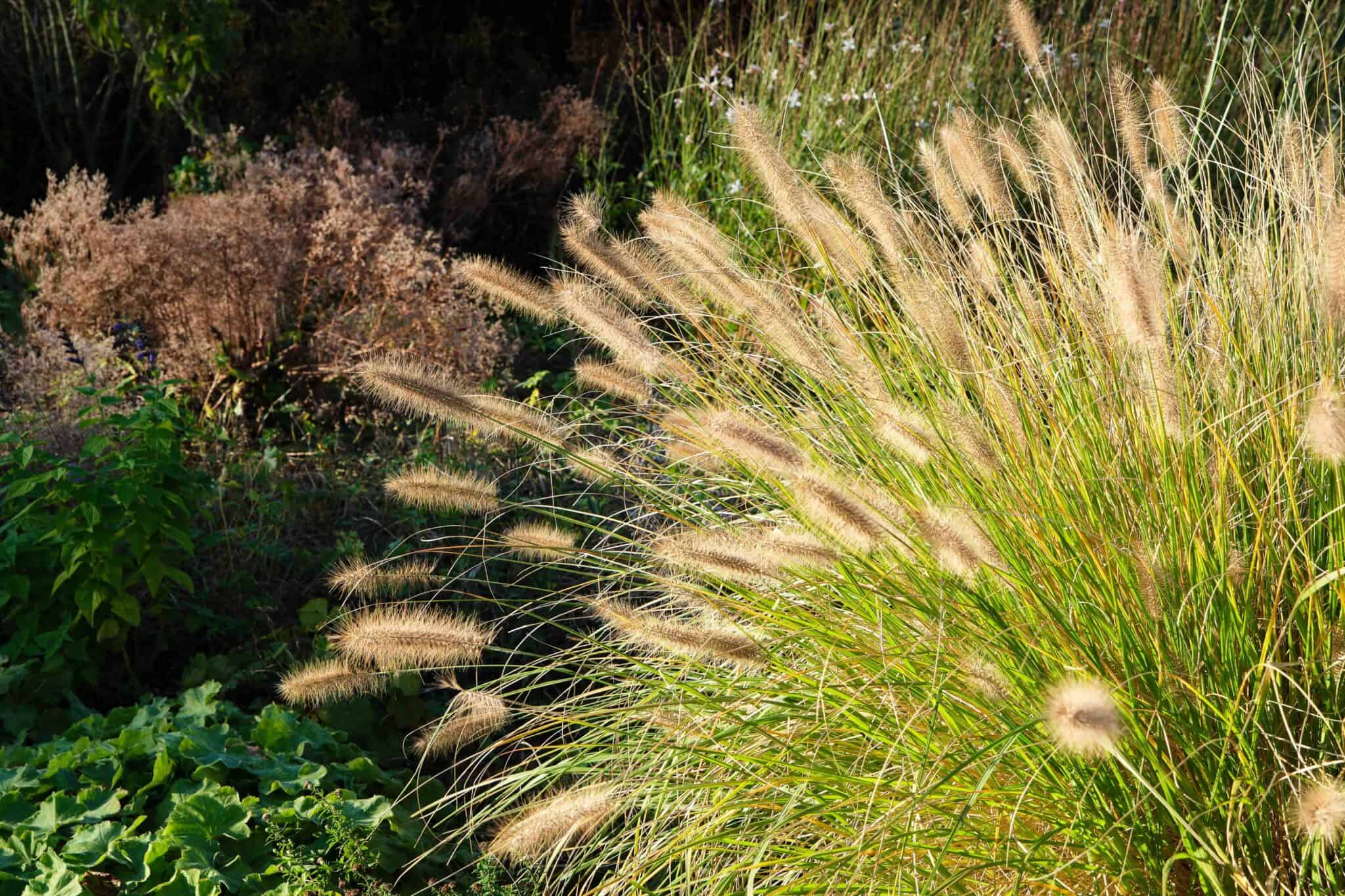
Ornamental grasses have become an increasingly popular element in landscape design throughout the North Fork. Admired for their beauty, versatility, and low-maintenance nature, these grasses offer a variety of textures, colors, and forms that can enhance any garden or landscape. They are a favorite among both professional landscapers and home gardeners. On the East End, they have proven to be virtually deer resistant – a definite plus!
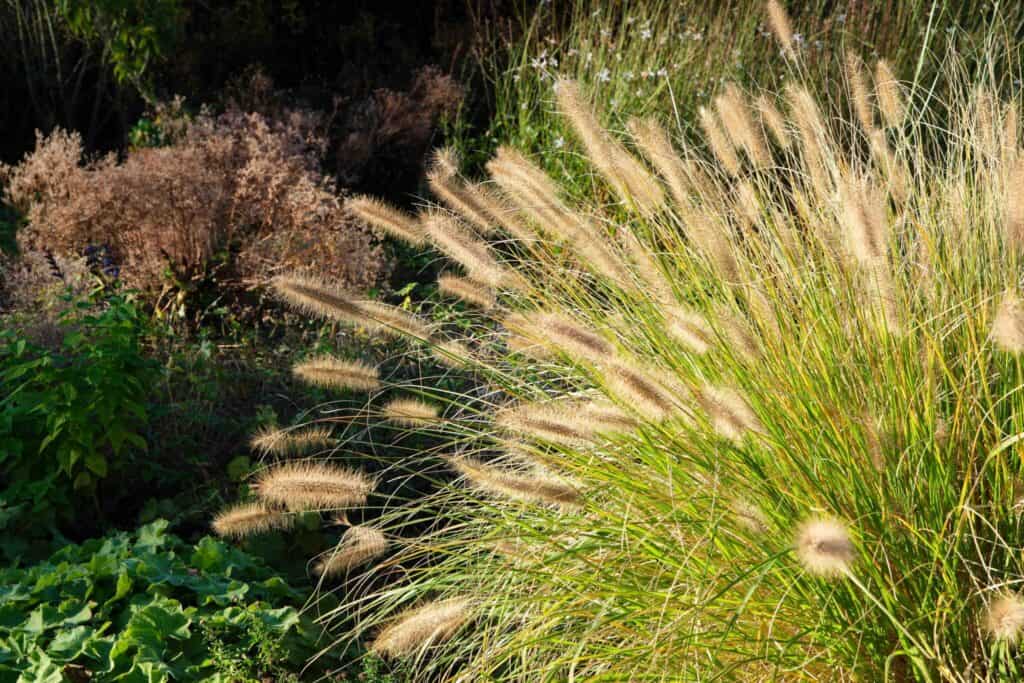
Here’s a closer look at why ornamental grasses are a valuable addition to your overall landscape design and how they can be effectively used.
Versatility and Aesthetic Appeal
Ornamental grasses come in a wide range of sizes, shapes, and colors, providing endless possibilities for landscape design. From the tall, graceful plumes of Miscanthus to the low, tufted forms of Blue Fescue, these grasses can create stunning visual interest in any garden. They can be used as focal points, border plants, or ground covers, and their movement in the wind adds a dynamic element to the landscape.
Texture and Movement
One of the standout features of ornamental grasses is their ability to add texture and movement to a garden. Unlike many static garden plants, grasses sway with the breeze, bringing a sense of fluidity and life to the landscape. This movement can create a calming, almost hypnotic effect, making gardens feel more serene and connected to nature.
Seasonal Interest
Ornamental grasses provide year-round interest, offering beauty in every season. In spring and summer, their lush green foliage and flowers add vibrancy to the garden. As fall approaches, many grasses take on warm hues of gold, red, and bronze, adding to the seasonal color palette. Even in winter, the dried seed heads and foliage of many grasses can create a striking silhouette against the snow, providing visual interest when most other plants have gone dormant.
Low Maintenance
One of the most appealing aspects of ornamental grasses is their low-maintenance nature. Once established, they require minimal care. Most ornamental grasses are drought-tolerant, disease-resistant, and not particularly fussy about soil conditions. They typically need only annual cutting back in late fall or early spring to maintain their shape and encourage new growth. This ease of care makes them an ideal choice for gardeners who want beautiful landscapes without a lot of ongoing work.
Environmental Benefits
Ornamental grasses also offer several environmental benefits. Their deep root systems help prevent soil erosion and improve soil structure by increasing organic matter. They provide habitat and food for wildlife, including birds and beneficial insects. Additionally, many ornamental grasses are native species, which means they are well adapted to local conditions and support local ecosystems.
Ornamental grasses can be used in various ways to elevate landscape design:
Borders and Edges: Grasses like Fountain Grass (Pennisetum) and Feather Reed Grass (Calamagrostis) are perfect for defining borders and edges, adding height and texture.
Ground Covers: Low-growing grasses such as Blue Fescue (Festuca glauca) make excellent ground covers, filling in gaps and preventing weeds.
Focal Points: Tall grasses like Pampas Grass (Cortaderia selloana) can serve as stunning focal points in a garden, drawing the eye and creating visual interest.
Container Gardening: Many ornamental grasses thrive in containers, making them ideal for patios, balconies, and small gardens.
Some popular varieties of ornamental grasses include:
Miscanthus (Silver Grass): Known for its elegant plumes and varying heights, Miscanthus is a versatile and popular choice.
Pennisetum (Fountain Grass): With its arching foliage and bottlebrush flowers, Pennisetum adds a soft, flowing look to the garden.
Festuca glauca (Blue Fescue): This compact grass has striking blue-gray foliage, perfect for adding color contrast.
Calamagrostis (Feather Reed Grass): Known for its upright form and feathery flower spikes, this grass adds vertical interest to landscapes.