Though the rewild movement has been around for a while, in the face of pressing climate change, along with growing concern for the health of the earth, it has renewed traction, especially driven by citizen volunteers who want to activate changes for themselves and future generations.
First coined in 1992 by American environmentalist Dave Foreman, “rewilding,” in its early days, was a large-scale movement focused on wilderness and wildlife conservation, particularly carnivore restoration to their habitats (think wolves and grizzly bears). Foreman formalized his work when he founded the Rewilding Institute in 2003, and extended the advocacy to larger environmental concerns such as watersheds, and biodiversity including plant life.
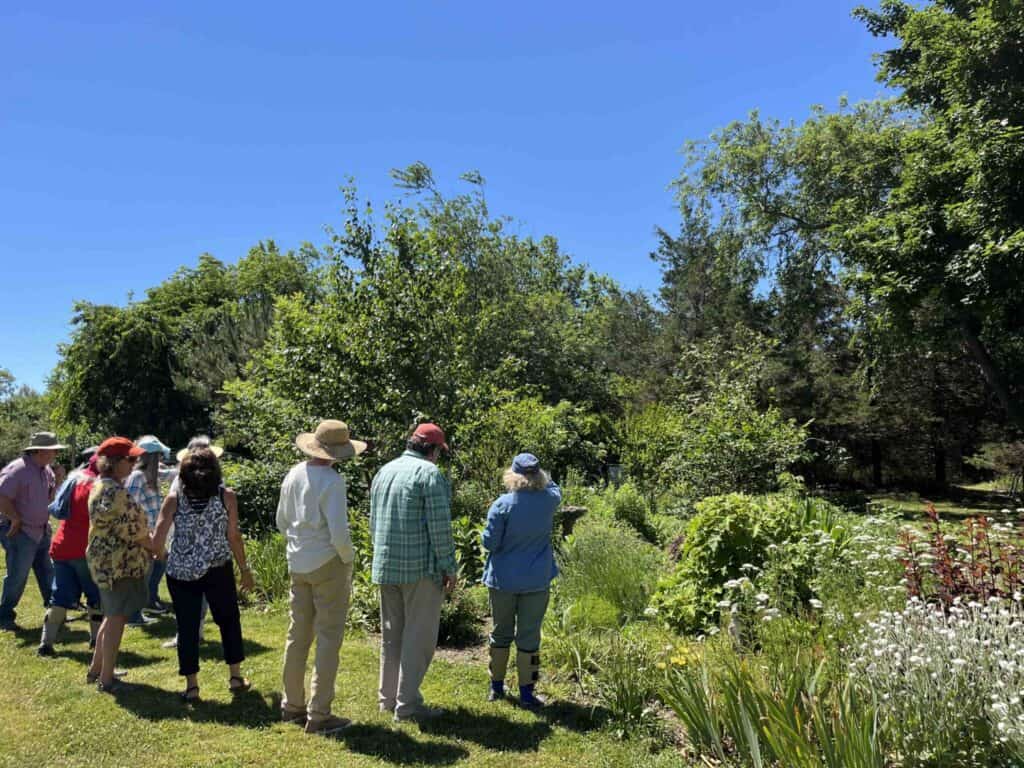
Photo: Aurèlie Lang
Today, local chapters, independent of Foreman’s organization, have adapted those principles geared toward their uber-local concerns. On Long Island, the non-profit ReWild Long Island was incorporated in 2019 to focus on the “health of pollinators and people, soils and shores.” It now boasts six chapters, including North and South Forks.
While the “Fork” chapters follow the greater Long Island guidelines of CROWN—Compost, Recycle, Organic, Water Wisely and Native Plants—they have also dedicated themselves to interests specific to their communities, such as “Dark Sky” initiatives, native gardens and community projects, seed swapping, invasive plant mitigation and best practices for the green space around your home. Dedicated corps of volunteers and educators share the mission through workshops, tours and community-based programming in some 70 community gardens across the island.
Gloria Frazee, co-founder of the South Fork chapter likens the movement’s growth to the children’s book, “Horton Hears a Who,” noting that the power of belief in something no matter how small, will yield result.
“With his big elephant ears, Horton hears something there, because he’s really listening for it. But no one else hears it, so no one believes him,” she said. “But once all the Whos in Whoville make a lot of noise, they are heard, everyone now can listen in a different way.”
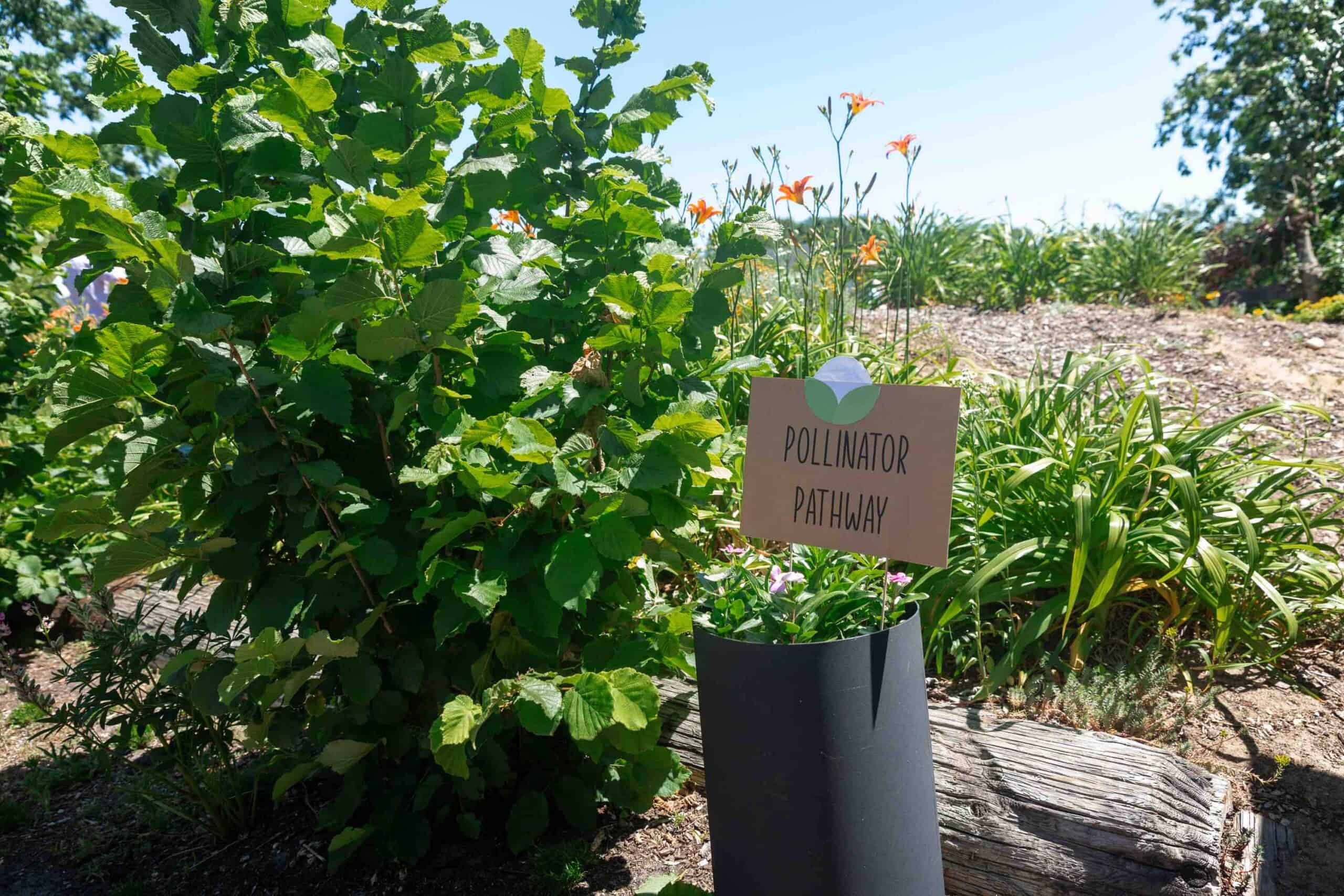
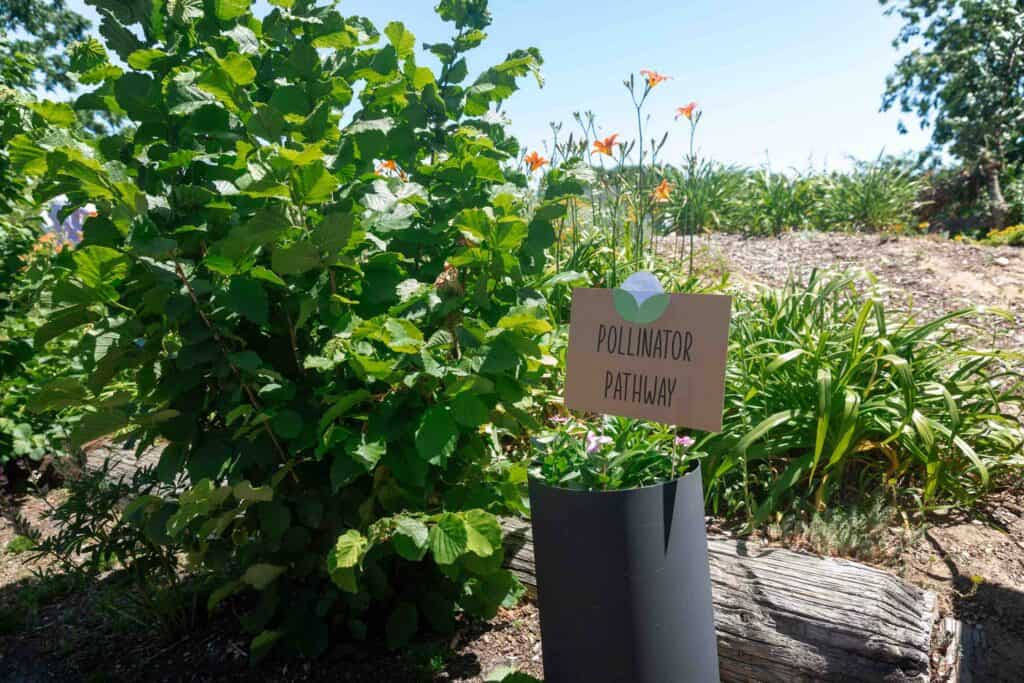
Such “listening tours” form the base of the chapter, which Frazee says is big on the small stuff—from planting pollinators plots to understanding the micro life underneath our feet.
“Usually we look in our gardens and see everything that’s growing above the soil. But there’s so much below that is part of the engine that cares for plants along with the sun and rain,” she said. “A real part of rewilding is stopping yourself, stopping our degradation of nature, letting nature take her course and helping her in that.”
And, it doesn’t have to look wild to be wild, she said. “A lot of people think, ‘oh, a rewilded yard is going to look messy,’ but there are clues that show care such as a stone border around your area that shows this is intentional. It doesn’t have to be complicated—you can do it in a planter or a window box. You can do it in phases.”
Her local chapter helps budding activists with the basics, including the five principles of CROWN, which she says is an approachable teaching tool for young and old alike. “When we can learn together, we can make a difference together. And it’s a really great way of connecting not just with nature, but with your community,” she said.
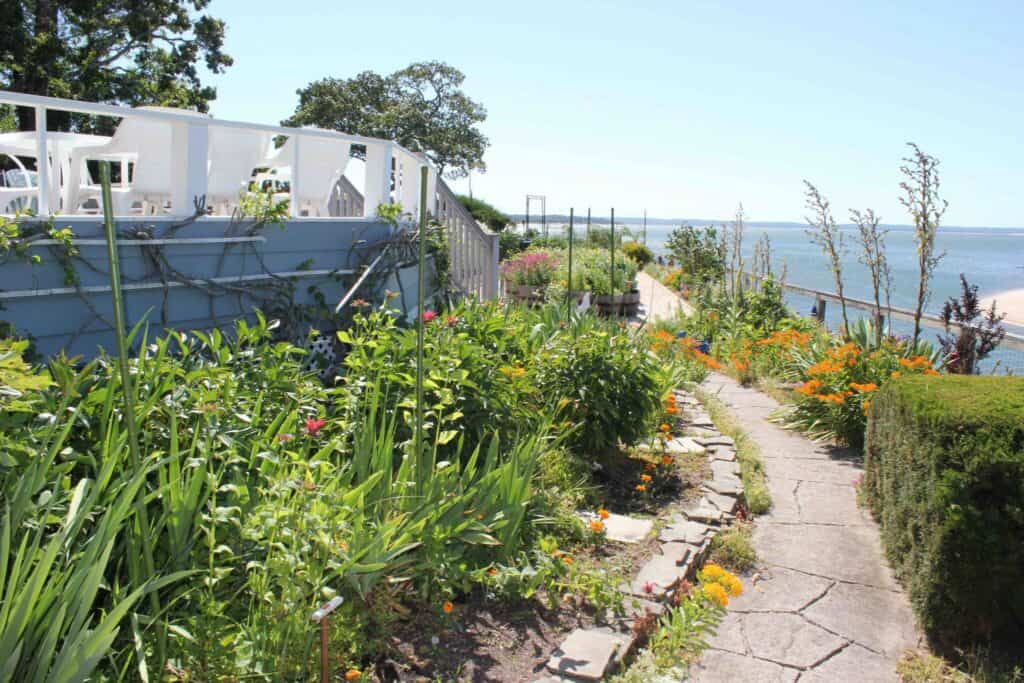
Photo: Aurèlie Lang
On the North Fork, chapter co-chairs Nancy DePas Reinertsen and Ralph Reinertsen, say rewilding is “a conservation and a lifestyle movement” that anyone can embrace.
“It has really changed not only the way I garden, but I put 100% of my energies into transforming my property into a more native plant, pollinator and wildlife-friendly oasis,” Nancy said. Her husband added that such eco-practices help soil health, conserve water, eliminate the need for chemicals and encourage biodiversity of beneficial insects and birds.
Together they have implemented small practices that are accessible for would-be wilders at any level—leaving the leaves and grass cuttings as natural and nutrient-dense mulch, using water only on demand and increasing use of rain barrels, and committing a certain kind of kind of murder.
Murder? Yep, says Ralph: “Lawns are a desert: kill them.” He calls the quest for the perfect emerald-green lawn, “outdated thinking and harmful in every way to the ecosystem.”
“With the new climate reality we’re living in, we can’t afford to have a lawn for that kind of existence: it serves no purpose and compromises our fragile water resources,” he said. “Rewilding can start on your own lawn.” He recommends starting with a 10 by 10 parcel, and kill the grass with layers of cardboard and newspaper (no landscape fabric, please!), which breakdown into an earth-worm friendly mulch. Layer it more with dirt, amendments such as compost, and introduce native plants (many can be purchased at plant sales sponsored by ReWild chapters and many libraries offer seeds).
Then, he says, “be patient and then enjoy all the life that comes into it – birds and butterflies, but start small and be patient.”
Says Nancy, “I know I want to protect this land I love and the air and water—not just for me and my enjoyment, but the health of the planet. It’s everyone’s responsibility.
For more information visit rewildlongisland.org