Even if spring seems distant, now’s the time to sow your garden
Gardeners know it’s never too early to start planning for the next season and those with both a green thumb and cabin fever reach for the ultimate glossy magazine: seed catalogs.
Seeding your own plants has many advantages: it saves money, gives you a head start on the season, a sense of accomplishment and also control over the provenance of your plants.
“It’s always been something that most home gardeners have stumbled into one way or another once they get into plants in a serious way,” says Cornelius Schmid, a seed propagation specialist who gives workshops in the East End. “The ability to access seeds and grow them is easy now.” Schmid often works through gardening organizations such as ReWild, a conservation movement that focuses on restoring and sustaining native plant habitats.
Gloria Maroti Frazee, co-founder of the South Fork chapter of ReWild and East Hampton Compost, agrees. “A lot of people think gardening is really expensive and hard to start, but if you start from seed, you’re getting in on the ground floor and seeing how it works,” she says. “Start with a small seed patch or native plant patch and you’ll be welcoming butterflies. You’re not just planting a nice flower, but participating in a natural system and helping the natural world.”
Roxanne Zimmer, community horticulture specialist at the Cornell Cooperative Extension in Suffolk County, says now is the time to start sowing seeds using a cold stratification (exposure to cold temperatures) that helps prompt the germination process in spring.
“I love this method because it succeeds without maintenance,” she said. “The seeds are so smart, they will know when to grow.”
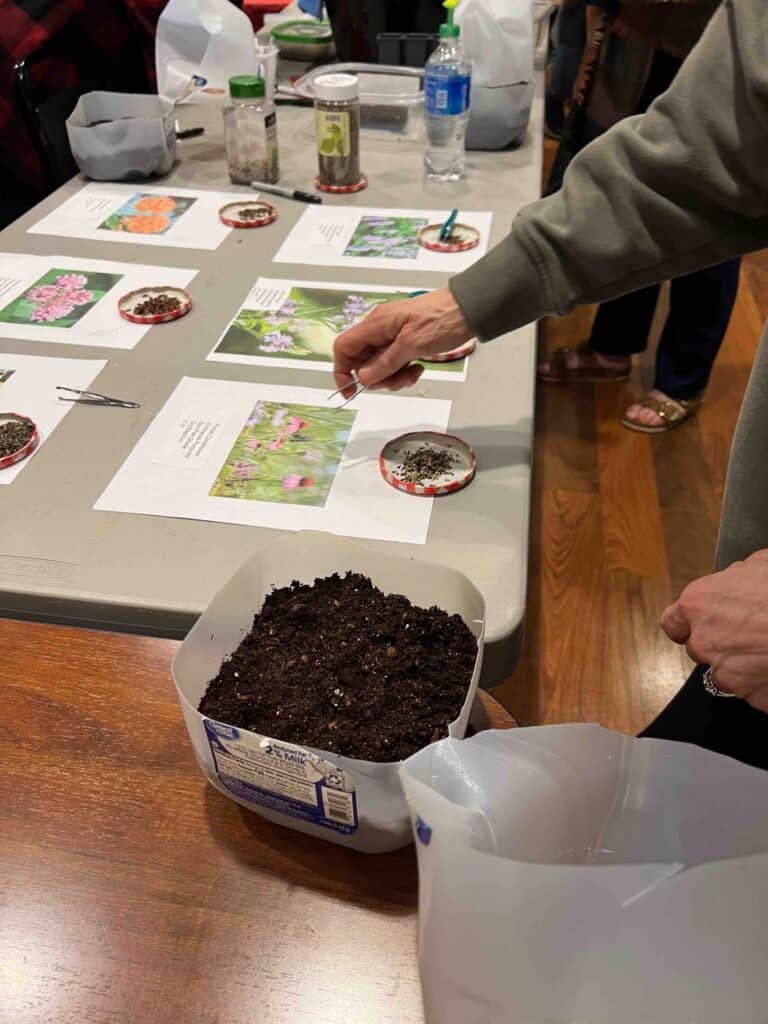
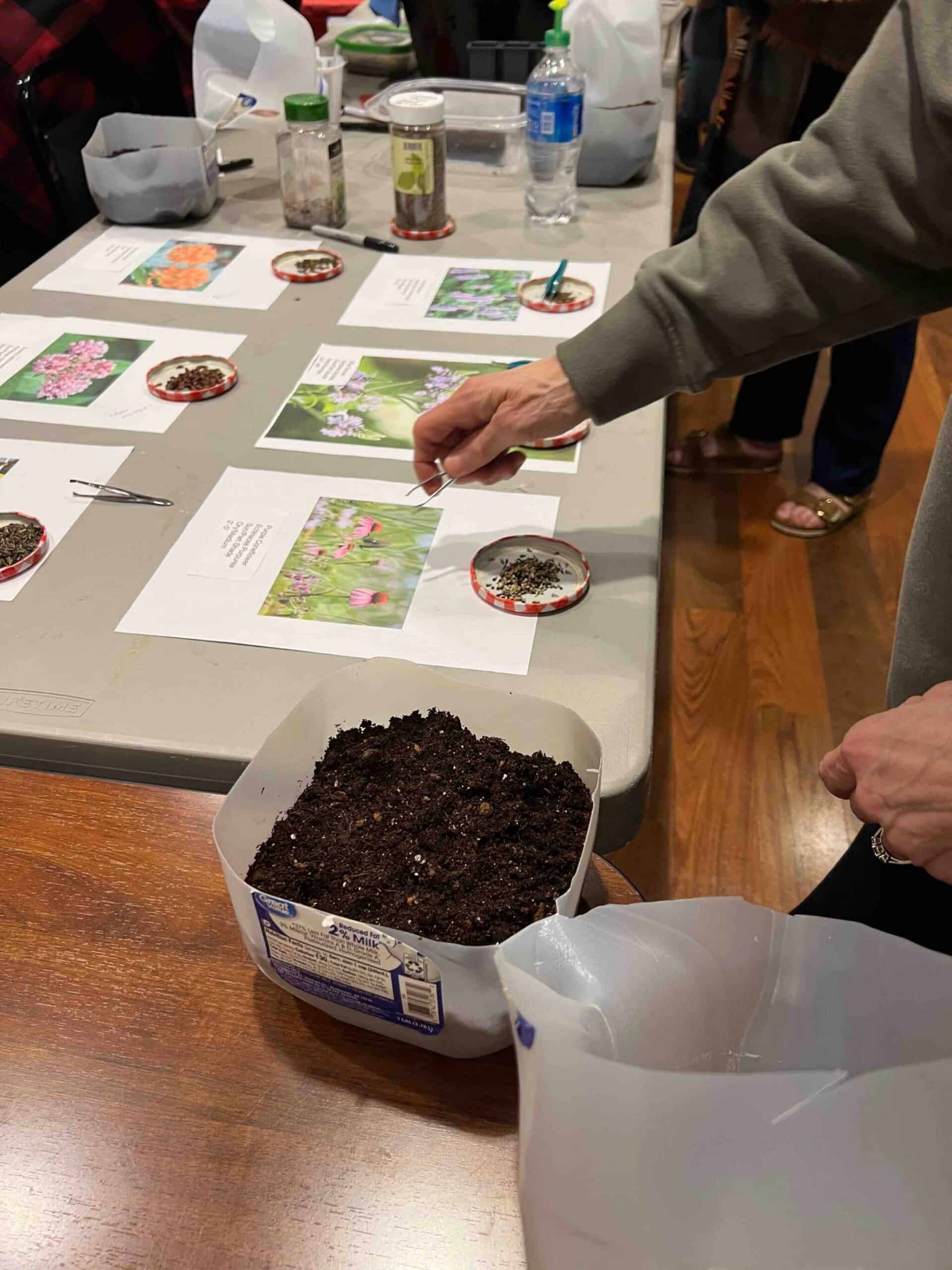
No special setup required: Just some plastic water jugs with drainage holes and sterile potting mix. Plant the seeds, stick the jugs outside where the wind won’t blow them over. Then count the days to transplanting. Cooler crops like lettuce and radishes or early bloomers like pansies can go in after Suffolk County’s last frost in mid-April, Zimmer says.
Cucumbers, eggplants and summer flowers can wait until closer to Memorial Day.
Schmid advises beginners to start their seeding journey on “the easiest path—quick seeders such as zinnias and cosmos.” Their seasonal brevity, he says, “means they have evolved to be really opportunistic; they don’t have a lot of life so they bloom and seed a lot and take advantage of the time they have. They will grow fast and flower fast.” And you, the keeper of the seeds, can harvest for next year.
He advises doing a garden audit as part of your seeding and planting plan. “After annuals, if people are ready to take the next steps into playing with seeds, keep in mind how the seed has evolved and where it wants to grow. That will help you pick the right way to handle it… look at what’s growing happily… where are the weeds growing, the plants already in your aera – what do your neighbors have that are doing well. Do they like shade, acid soil?”
By this time, you might be asking how to get the right seed for the right plot. Happily, numerous DIY seeding sources come with plenty of local knowledge—from a local garden center, catalogs focused on regional heritage and native species, local seed swaps, and resources such as the Long Island Native Plant Initiative and the Long Island Native Plant Trust. Even some libraries in Long Island host seed services through the Long Island Seed Libraries group.
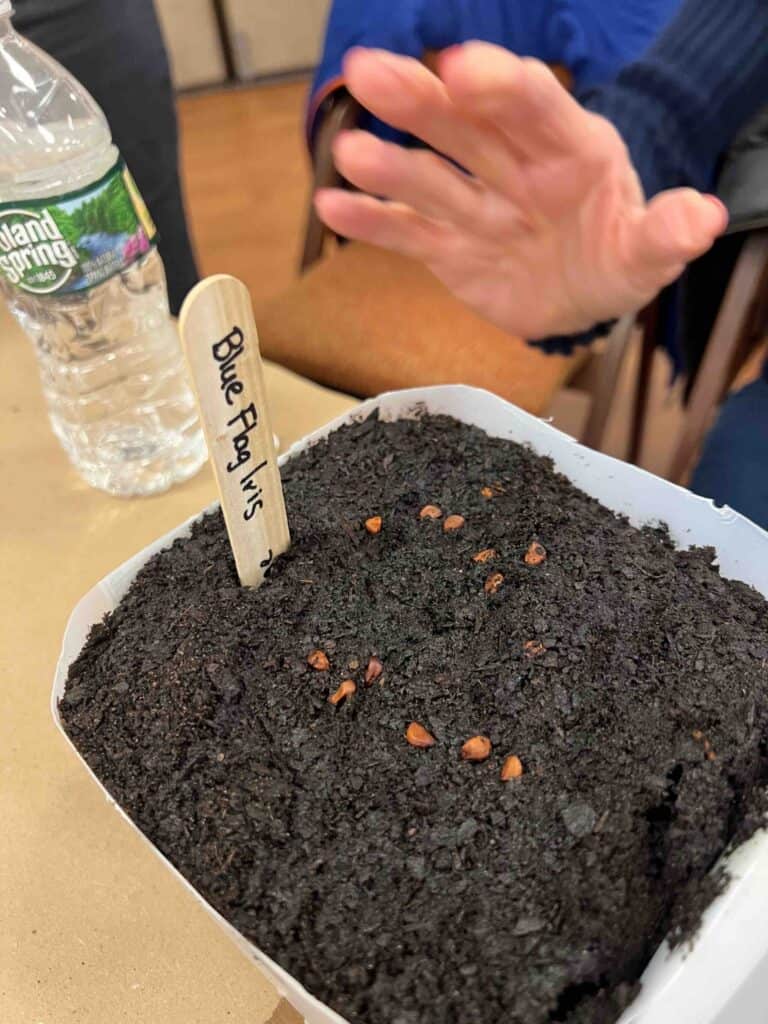
If you’re more of a hands-on learner, numerous local sources offer workshops in both North and South Forks—from seed sowing societies and the Suffolk County extension service, to local chapters of the growing ReWild movement with uber-local programming.
Whether you DIY or get help, Zimmer says, “Have patience, what’s great about gardening, it tolerates a lot of errors, but seeds are smart and we can go back and correct and know better for next time.”
Though there are numerous online catalogs for seeds, Prairie Moon (prairiemoon.com), the Minnesota-based native seed nursery established in 1982, is considered the godfather of native seeds and plants. The site has a comprehensive education portal of downloadable guides.
Other sources closer to home include:
• Long Island Seed Library map
• Cornell Cooperative Extension, Suffolk County
• North Fork chapter of ReWild
• South Fork chapter of ReWild
• Long Island Native Plant Initiative
• Long Island Invasive Species Management Area
For reference and inspiration, Schmid recommends these books:
Sowing Beauty: Designing Flowering Meadows, James Hitchmough
The New England Wild Flower Society Guide to Growing and Propagating Wildflowers of the United States and Canada, William Cullina
The Reference Manual of Woody Plant Propagation: From Seed to Tissue Culture, Michael A. Dirr, Charles W. Heuser Jr.