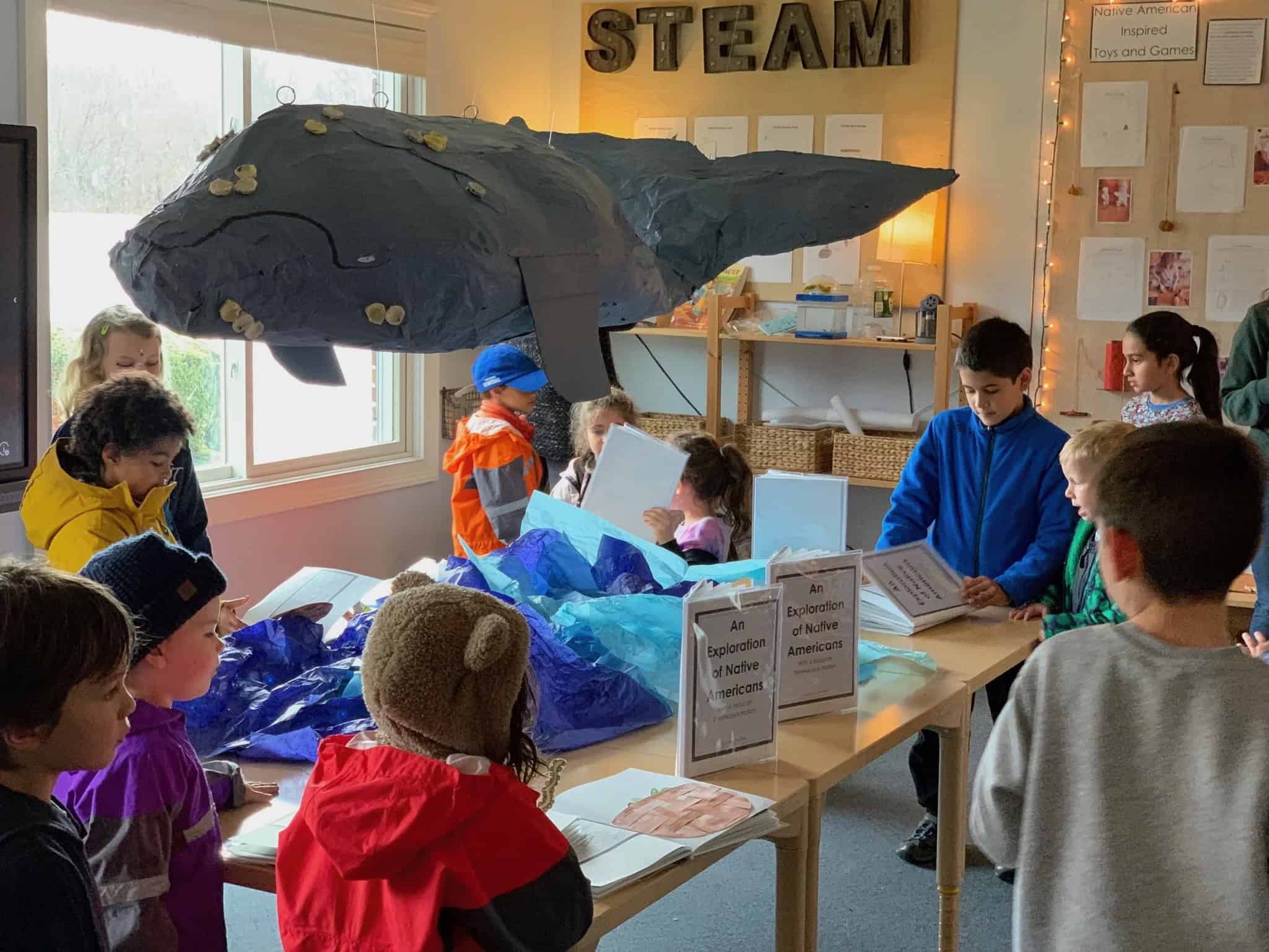
What began as a sister act in 2012 has evolved into one of the North Fork’s most comprehensive independent schools, growing from nine students in one room to nearly 100 and a 10-acre campus with four buildings.
Peconic Community School co-founder Liz Casey and her sister, Kathryn Casey Quigley grew up in Mattituck, engaged in theater, dance and the arts. Casey pursued training and a career in education—particularly focused on using the arts for social change—while Casey Quigley worked in nonprofit management. After becoming a parent, and questioning mandates such as “No Child Left Behind,” Casey wondered if there could be something better. As it turns out, her sister was thinking the same.
“[She] called me up said, ‘Do you want to start a school? I said yes and it literally just took off from there, “ Casey recalled. “Then we started telling people, and once you tell people, you have to do it and do it right.”
Based in Cutchogue, the Peconic Community School experienced a large uptick in student population during the pandemic and that growth never really went away. The combination of more families making the North Fork their year-round home, dissatisfaction with rote “factory style learning” and a growing concern for the school culture, has helped PCS stand out as a model for learning in a meaningful way.
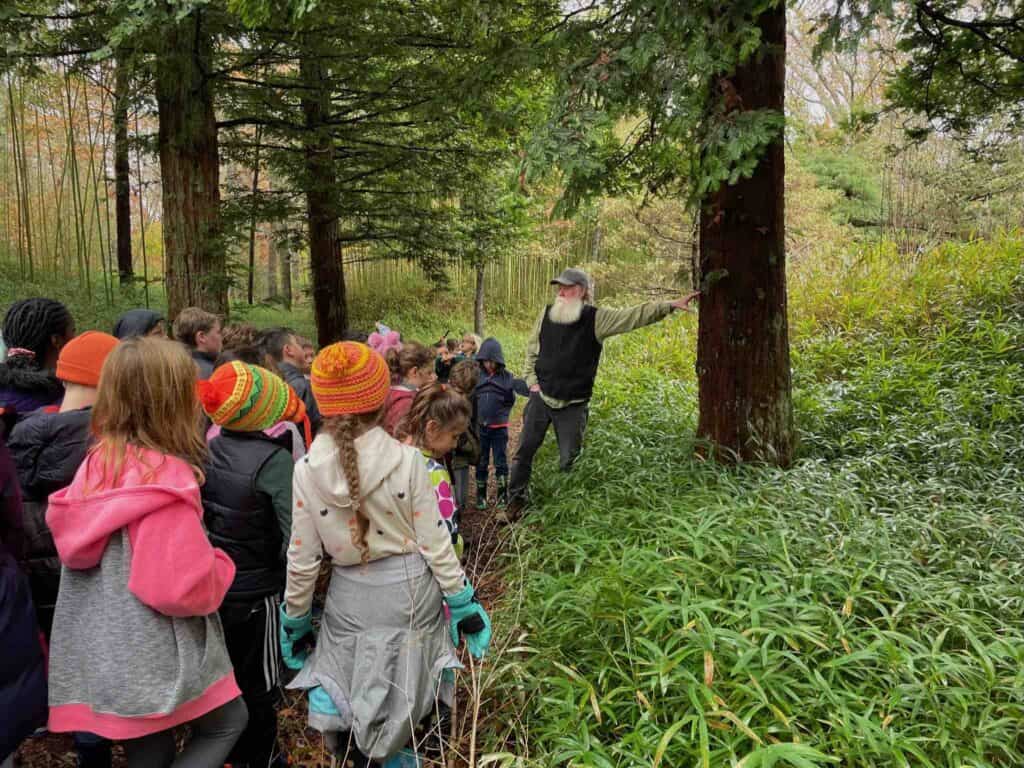
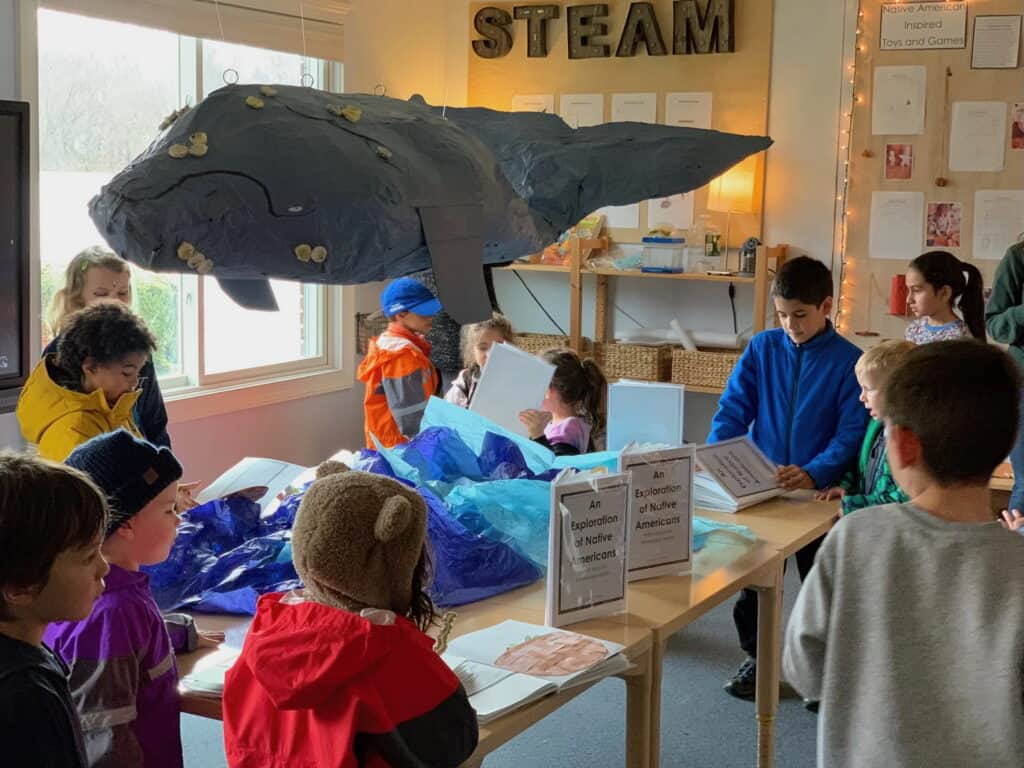
PCS got to that point by offering meaningful, place-based education that fosters independence, critical thinking, socio-emotional values such as compassion, gratitude and respect. And while it’s education through exploration, in community-based programs such as visits to local environments, hands-on camps and even a circus school.
Casey says the school leverages the North Fork’s unique environment, landscape and ecosystems as its curriculum. “It’s the textbook that we dive into for an understanding all of issues are we facing on the East End that you can apply it to the larger world.”
But, there’s also a good dose of traditional academic curricula for learning languages, math and writing. Screen time is limited to discreet lesson plans on Chromebooks, and old-timey skills like listening, asking and answering questions without Google or AI teach collaboration, perseverance and patience—all pillars of the school’s culture.
Greenport parents, Bridget and Eric Elkin, chose PSC for their two daughters, ages 7 and 4, for its “academic rigor, emphasis on outdoor play and commitment to child-led learning.” Bridget said her own experience as a student in progressive schools led her to appreciate educational environments that balance strong academics with curiosity, independence and creativity.”
“That approach [at PCS] has helped our children develop confidence as communicators and writers. Rather than being afraid of making mistakes, they are encouraged to be curious, take risks and share their ideas,” she said
PCS is continuing its upward trajectory with plans to build out labs, studios and maker spaces, and an impending leadership transition that will help firmly position it in a constellation of like-minded schools.
This summer, the school will welcome a new head of school, Rachel Gomez Peterson, from Brooklyn’s Packer Collegiate Institute. Casey will transition from her role as co-director to a new role as Director of Growth and Culture.
“It’s really exciting to have someone bring us into this next phase who’s as qualified and experienced as Rachel,” she said, noting that Gomez brings experience from Manhattan’s Quaker Friends Seminary and The Paideia School in Queens.
“We were always cognizant as founders that we didn’t want to hold the organization back, and we wanted it to be able to thrive and survive beyond us,” Casey said. “This is a big moment for the school.”