Planting in the Fall for a Garden that Blooms Early
On the North Fork, spring arrives not all at once but in measured moments — a gradual unfurling of light, air, and color. Long before the familiar daffodils and tulips make their bold entrance, subtler blooms step gracefully onto the stage. For those who plant with intention in autumn, these early flowers become the season’s quiet prelude, a gift to the garden and to the eye.
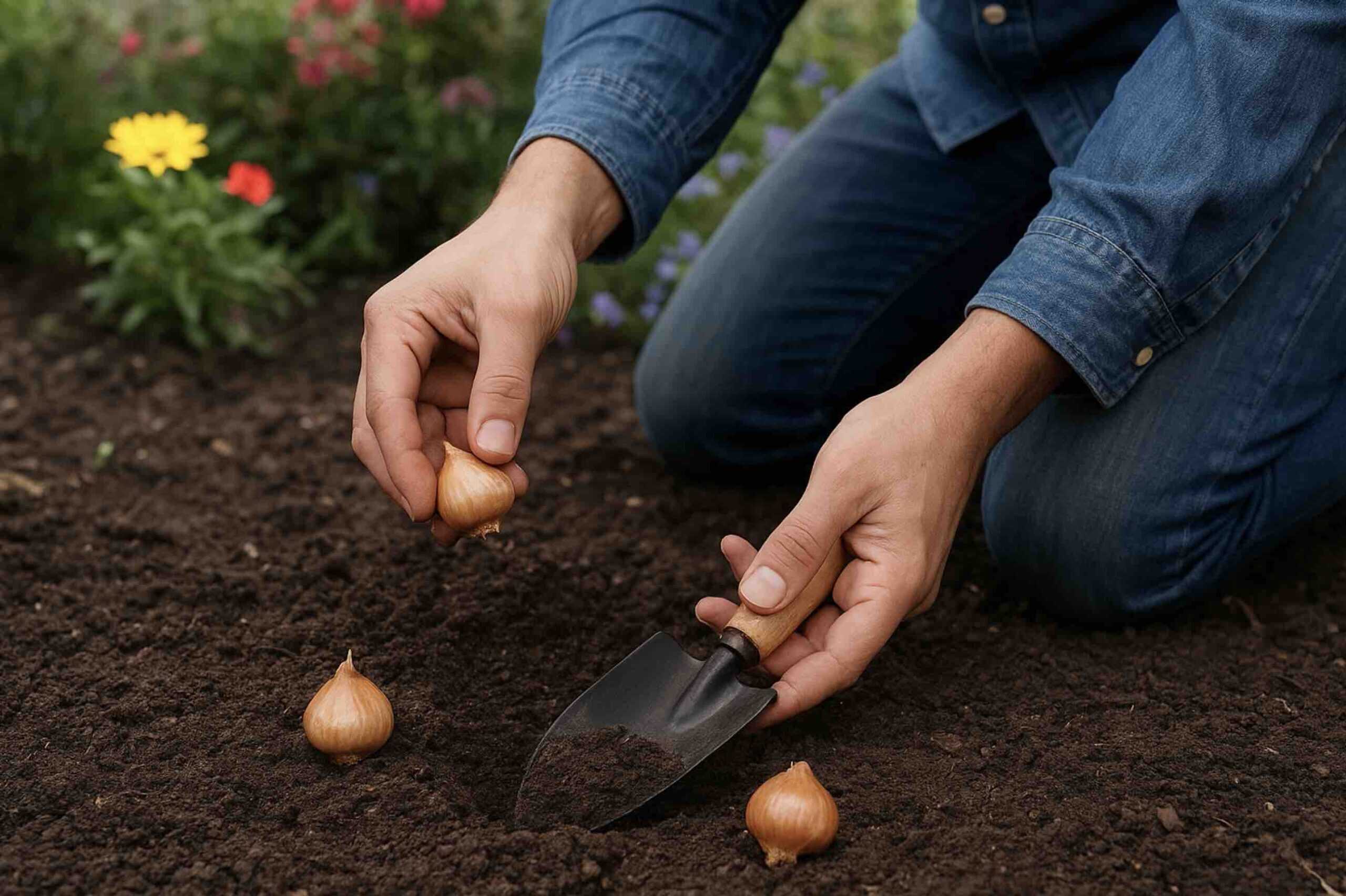
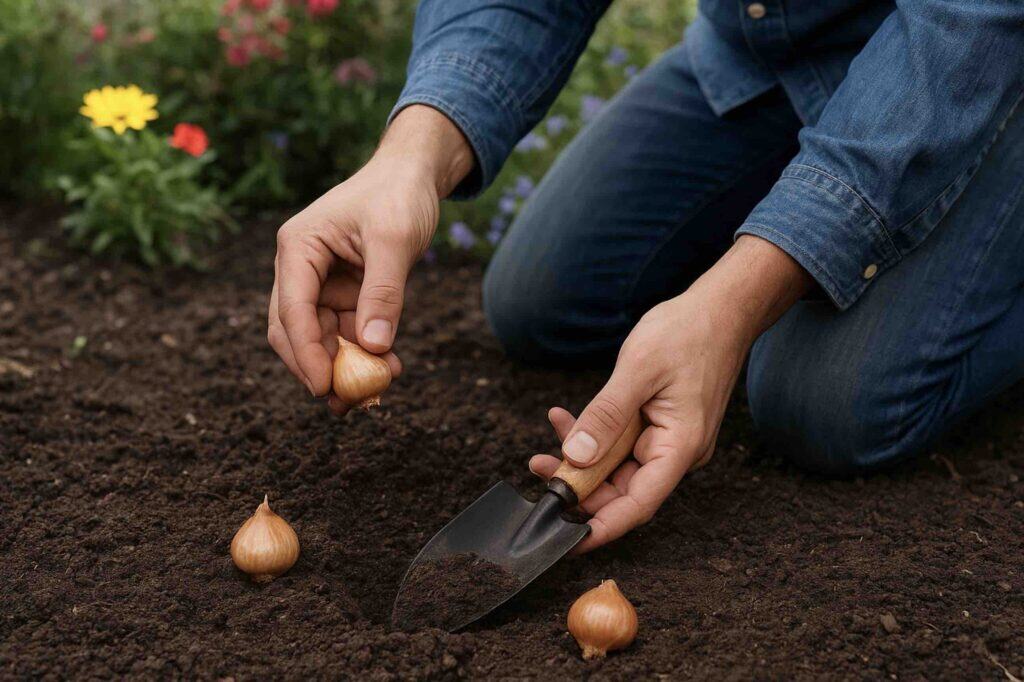
The ritual begins in fall, when the soil still holds warmth and the days stretch golden and crisp. This is the time to nestle bulbs into the earth, preparing for the elegant surprise that will follow months later.
“It may be tempting to get out in the garden while the weather is still nice, but don’t plant your Spring flowering bulbs too early,” says Trent Brown, founder of Ground Break Design. “If the weather is warm for too long, you run the risk of those bulbs starting to grow before the first frost and then getting damaged over winter. You want them to stay dormant until Spring, so waiting as long as possible is better. The ground still needs to be workable, but usually, early to mid-October is a good time.”
When planting, depth matters. Bulbs thrive when tucked securely into the soil at just the right level. Group them by the handful, rather than placing them singly across the lawn. The result, come spring, is painterly — swathes of color that feel effortless, natural, and undeniably luxurious.
Among the first to appear are snowdrops, small and graceful, their white bells swaying gently beneath bare trees. They capture a particular kind of romance — fleeting yet unforgettable. Soon after come crocuses, with their golden, purple, and white chalices opening in defiance of lingering frost. Windflowers add their dainty brushstrokes in shades of blue and white, carpeting the ground with a delicacy that feels both wild and intentional. And then there are the early irises, their vivid yellow and violet blooms perched on short stems that belie their elegance.
By the time daffodils and narcissus take their turn, the garden is already alive with anticipation. While the larger varieties are well-loved for their sunny cheer, a few select types arrive earlier, offering their blossoms weeks in advance. Tête-à-Tête, with its miniature yellow blooms, and February Silver, in delicate white, both bring refinement to garden paths and borders, extending the pleasure of spring’s opening notes.
Indoors, the season can be coaxed to arrive even earlier. Paperwhite narcissus, widely available in autumn, are a staple of East End entertaining. Simply set the bulbs atop a bowl of marbles and water, and within weeks, slender green stems rise, crowned by fragrant white flowers. Their presence on a dining table or console fills the room with a subtle perfume, as elegant at a candlelit dinner as it is during a quiet winter morning. Successive plantings ensure blooms carry you well into spring.
Deer fencing may be necessary in some gardens, but for those who can keep their plantings safe, these early bulbs bring immeasurable charm.
In a landscape where luxury is often measured by scale, these modest blooms remind us that true refinement lies in timing, detail, and the quiet thrill of beauty arriving just a little earlier than expected.
Spring Starts Here. Fall Bulb Tips:
- Cluster, Don’t Scatter. Plant bulbs in generous groups for painterly sweeps of color, rather than dotting them one by one.
- Depth is Everything. Follow the recommended planting depth for each bulb — too shallow and they may falter, too deep and they may never emerge.
- Think in Layers. Combine early bloomers with later varieties so your garden unfolds in waves from late winter through spring.
- Protect the Investment. If deer frequent your property, safeguard your plantings with fencing or choose spots closer to the home where they’re less likely to wander.
- Bring Spring Indoors. Keep a few paperwhite bulbs on hand for winter — they’re effortless to grow and add fragrance and elegance to the home long before the garden wakes up.